All Categories
Featured


Securing Cheap 2026 Family Health Quotes
Table of Contents
HHS prepares to expand access to catastrophic health coverage through its new challenge exemption assistance, the department announced today. More people will be qualified for disastrous coverage beginning Nov. 1, 2025, when open enrollment starts. Catastrophic health insurance generally have low monthly premiums and very high deductibles, making them a more cost effective alternative for individuals who are seriously sick or injured.
HHS' new challenge exemption assistance will make it much easier for individuals to gain access to disastrous protection if they are disqualified for advance payments of the superior tax credit (APTC) or cost-sharing reductions (CSRs), based on their annual home income. Normally, consumers who are freshly disqualified for APTC or CSRs due to their projected annual earnings being below 100% or above 400% of the federal poverty line are qualified for a difficulty exemption and can enroll in devastating protection.
The modifications were driven by projected increases in medical insurance premiums for the 2026 plan year across the individual market, CMS stated in an accompanying reality sheet. Rate boosts could result in challenges with getting coverage under a Qualified Health Strategy, especially for those whose earnings makes them ineligible to get APTC or CSRs.
Insurance in Glendale CABenefits of Permanent Life Insurance to Protect Families
"Catastrophic protection uses affordable health insurance for younger Americans and those facing difficulty to have security when they require it most," HHS Secretary Robert F. Kennedy, Jr. said in the statement. "Expanding access to disastrous coverage is another action in making health insurance more cost effective, developing on the progress made because the passage of President Trump's One Huge Beautiful Costs.".
NAIFA has actually long promoted for access to affordable catastrophic health strategy alternatives. Under the brand-new policy, customers who are not eligible for advance payments of superior tax credits or cost-sharing decreases on the Health Insurance coverage Marketplace are eligible for hardship exemptions enabling them to acquire devastating strategies starting November 1.
They also cover preventative services required under the Affordable Care Act and approximately three pre-deductible visits with main care doctors. The exemption will apply to customers buying plans either on or off the Exchange. Beginning November 1, 2025, customers can look for the difficulty exemption in two methods: Use online for Market protection on or through a qualified partner.
Send a hardship exemption form by mail. HHS is also streamlining the process by enhancing the review of paper applications to minimize the administrative burden on consumers. This change will make it easier for people experiencing difficulty and seeking a devastating strategy to access the complete range of catastrophic protection options offered to them.
Finding Best Medicare Supplement Policies in 2026
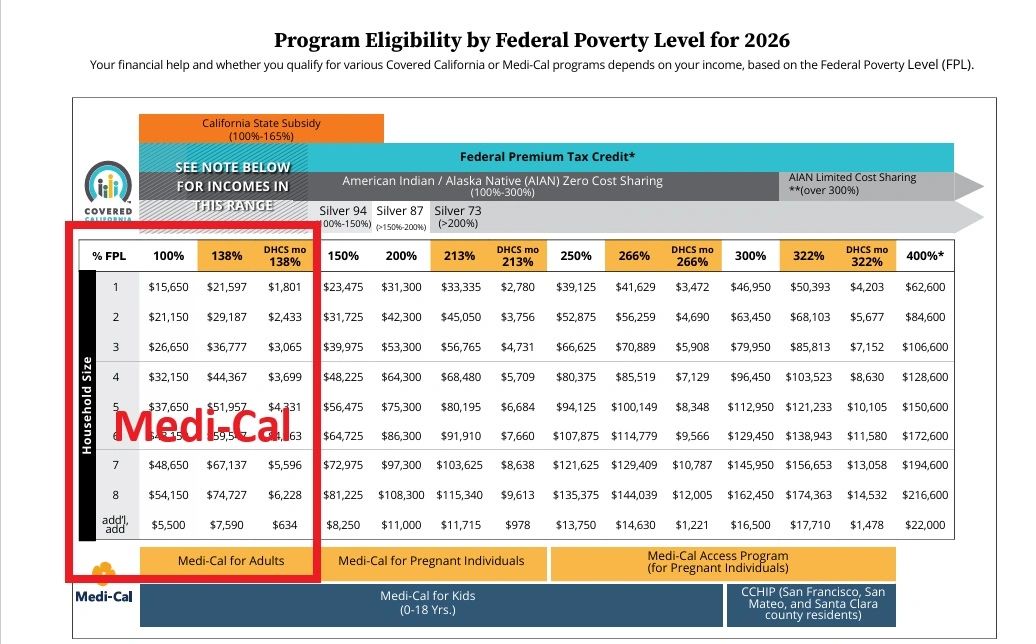
Pennsylvania family health insurance coverage for 2026 operates on 2 parallel tracks that often use at the same time to households with kids. The Pennie market covers grownups and family with federal superior tax credits and Silver cost-sharing decreases. Pennsylvania CHIP covers kids under 19 in families earning up to 319 percent of the federal poverty line around $102,521 for a household of four through a separate, generally more extensive and less pricey program.
Insurance in Glendale CAComprehending both tracks is the crucial to discovering the most affordable total household protection expense in 2026. Mixed-race family of 4 at a Bethlehem kitchen table examining 2026 Pennsylvania household medical insurance and CHIP choices Pennsylvania CHIP covers kids under 19 in households making as much as 319 percent of the federal poverty level roughly $102,521 for a family of four in 2026.
CHIP Tier Income Variety (Household of 4) Month-to-month Premium Copays Medical Support (children)Under $54,395 (under 215% FPL)$0None Free CHIP$ 54,395$66,120 (215%258% FPL)$0Minimal ($5$10) Inexpensive CHIP$ 66,120$89,750 (258%350% FPL)$30$75/child/mo$10$20 per visit Full-Cost CHIP$ 89,750$102,521 (350%319%?
Essential Final Expense or Burial Insurance Options
Carrier availability identifies which CHIP strategy a household selects not all CHIP providers operate statewide. Families then select their preferred CHIP carrier for each eligible kid, and the provider manages all plan benefits, authorizations, and client service for that kid.
An Independence Blue Cross Pennie prepare for parents matched with Independence Blue Cross CHIP for kids develops a consistent company network and reduces coordination complexity. When possible at the exact same premium level, matching CHIP and Pennie providers within a family streamlines service provider choice for children's specialists who accept both programs.

Latest Posts
Securing Cheap 2026 Family Health Quotes

Current Whole Life Insurance Prices for American Families
Understanding PPO Vs HMO Health Insurance